ServicesSolar Repair
Solar Repair in Allen
If your panels are making less power than they used to, or the inverter is blinking an error, we track down the reason and repair it. We service systems of every age, including ones put in years ago by a company that closed, and we show you what we found before any work begins.
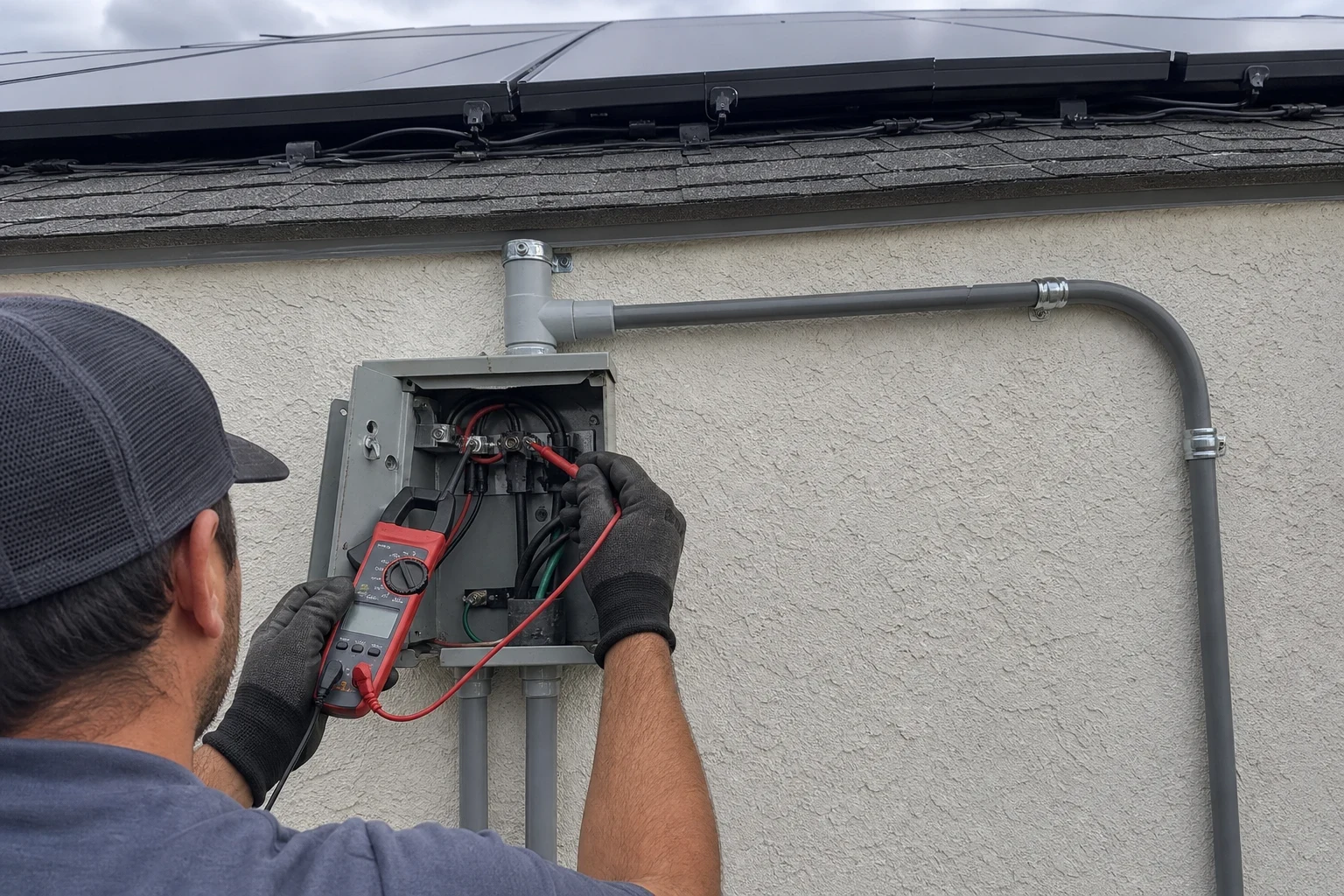
Getting a struggling system producing again
Solar panels have no moving parts, but the rest of the system does wear. Inverters age, connectors loosen, wiring gets chewed or cooked, and monitoring quietly stops reporting. Often the first sign is a power bill that creeps up while the panels look perfectly fine from the driveway.
Many of the systems we see have some history. A previous owner added panels, a handyman patched a wire, or the original installer swapped in whatever part was on the truck. We check those past repairs as carefully as the original work, because that is where problems tend to hide.
Our goal is a straight answer. Sometimes the fix is one connector. Sometimes an older inverter has reached the end of its life and replacing it makes more sense than another repair. We tell you which, and why.
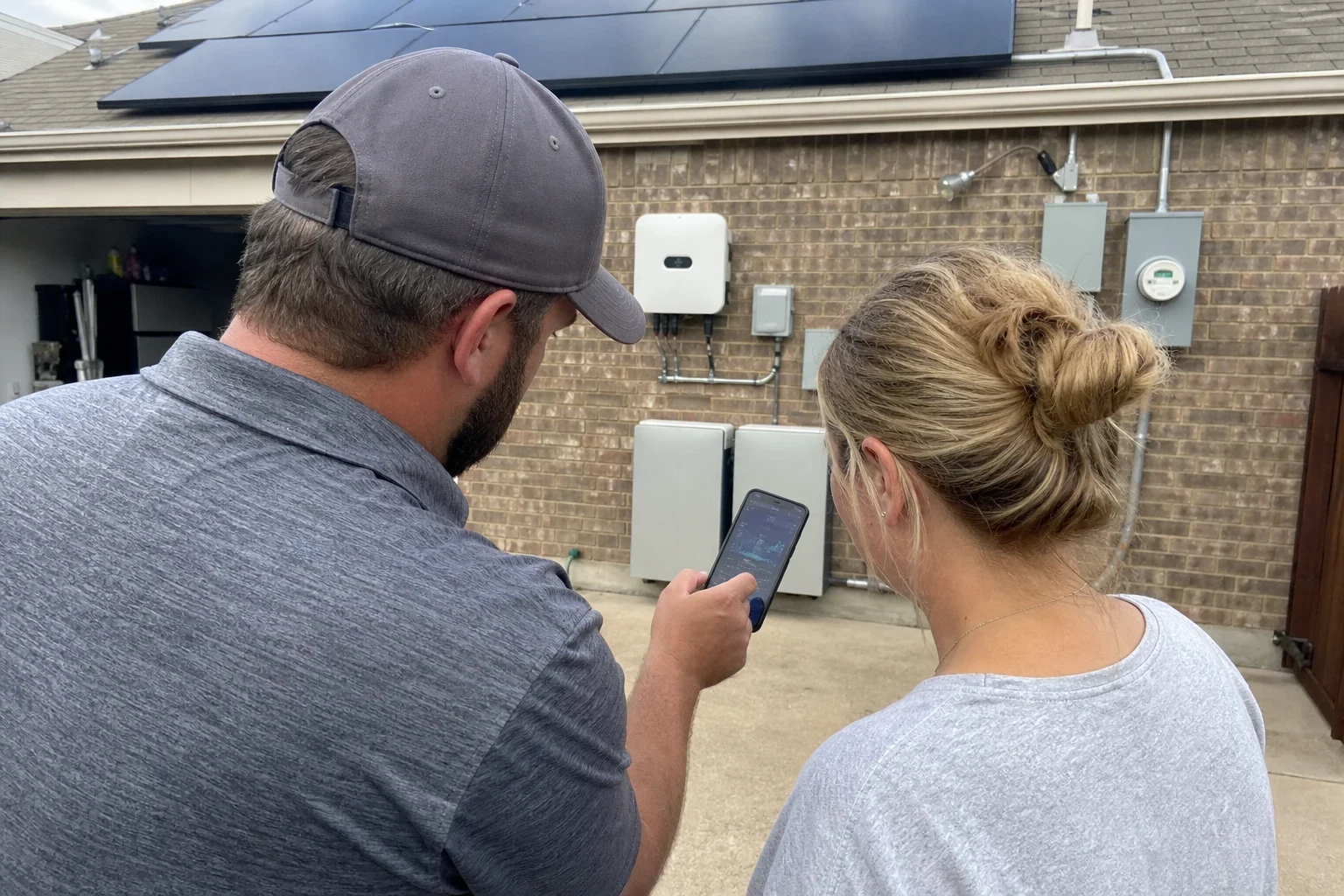
What a solar repair visit covers
- 01
Production and monitoring review
We compare what your system is making against what it should make for its size and orientation. If your monitoring app went dark, we figure out whether it is a failed gateway, a Wi-Fi change or a deeper fault.
- 02
Inverter and optimizer testing
String inverters, microinverters and optimizers each fail in their own ways. We read fault codes, test outputs and pinpoint which unit is the problem instead of guessing.
- 03
Wiring and connector inspection
Rooftop connectors bake in summer sun and can crack or corrode over years. We check conduit, junction boxes and the run to your electrical panel, with extra attention on any splices from earlier repairs.
- 04
Panel and racking check
We look for cracked glass, hot spots, loose clamps and shifted rails, and we confirm the mounting hardware is still tight and sealed where we work.
- 05
Matching or replacing outdated parts
Older equipment is often discontinued. We source compatible replacements, or explain the options when an exact match no longer exists.
Questions about Solar Repair?
Call(972) 636-4883When your system may need repair
A higher bill with no obvious cause
When you use power the same way as before but the bill has risen, your system could be making less than it once did.
Warning lights on the inverter
A red or orange light or an error code on the inverter typically means it has quit converting power or is only partly working.
Blank readings in your monitoring
Zero output on a sunny day can come from a tripped breaker, a dead unit or a communication fault, and each one calls for a different repair.
A rough storm just passed
Hail and strong wind can crack panel glass or shake hardware loose. You can't always spot it from the ground, so it's worth a closer check after a hard North Texas storm.
Evidence of a quick fix
Wires wrapped in tape, panels that don't match or a dangling junction box point to past work that may not last. It pays to check these before they lead to a larger failure.
How a repair visit goes
- 1
A quick conversation by phone
You tell us what you are seeing, the age of the system and who installed it, if you know. Inverter photos or app screenshots help us arrive with the right tools and parts in mind.
- 2
On-site diagnosis
We start at the inverter and electrical panel, then move to the roof if needed. We test rather than assume, and we take photos of anything we find so you can see it too.
- 3
A clear explanation and options
Before we fix anything, we walk you through the cause, the repair and the cost. If replacing a worn part beats repairing it, we say so plainly.
- 4
Repair, test and clean up
We make the repair, confirm the system is producing and reporting again, and leave the work area as we found it.
What drives the price of a repair
What a repair costs comes down to what broke and how hard it is to get to. We quote once we've found the cause, so your decision rests on real facts. These are the things that most often change the price.
- The part that broke
- Fixing a loose connector or resetting a tripped breaker is quick work. Replacing a dead string inverter or several microinverters takes more.
- How old the parts are and whether they're still made
- Equipment that's been discontinued can take longer to find, and at times a compatible upgrade is the only choice.
- Getting to the roof
- Steep roofs, two-story houses and panels in the middle of the array need extra time and safety setup to reach.
- Fixing earlier repairs
- When earlier work was done badly, we may have to correct it so our repair lasts and the system meets code.
What homeowners ask before a repair
Can you fix panels that a different installer put on my roof?
We can. A good share of the systems we repair were set up by other crews, and some of those outfits are no longer around. Getting to know your equipment and any earlier work on it is simply part of how we diagnose the problem.
My installer went out of business. Is my system still repairable?
Almost always. Panels, inverters and wiring follow common standards, so another qualified crew can test and repair them. If the manufacturer is still around, we can also help you understand whether an equipment warranty might still apply.
Does homeowners insurance cover hail damage to panels?
Many policies do, but it comes down to your specific coverage. We can photograph what we find and write up the damage in plain terms for your insurer to review. The adjuster decides what is covered, not us.
Should I repair my old inverter or replace it?
It depends on the age of the unit, the fault and whether parts are still made. We give you an honest comparison of both paths. If a repair buys you only a short time, we will tell you.
How long does a typical repair take?
Many repairs are finished in a single visit once we know the cause. Jobs that need a specific replacement part may take a second trip after it arrives.
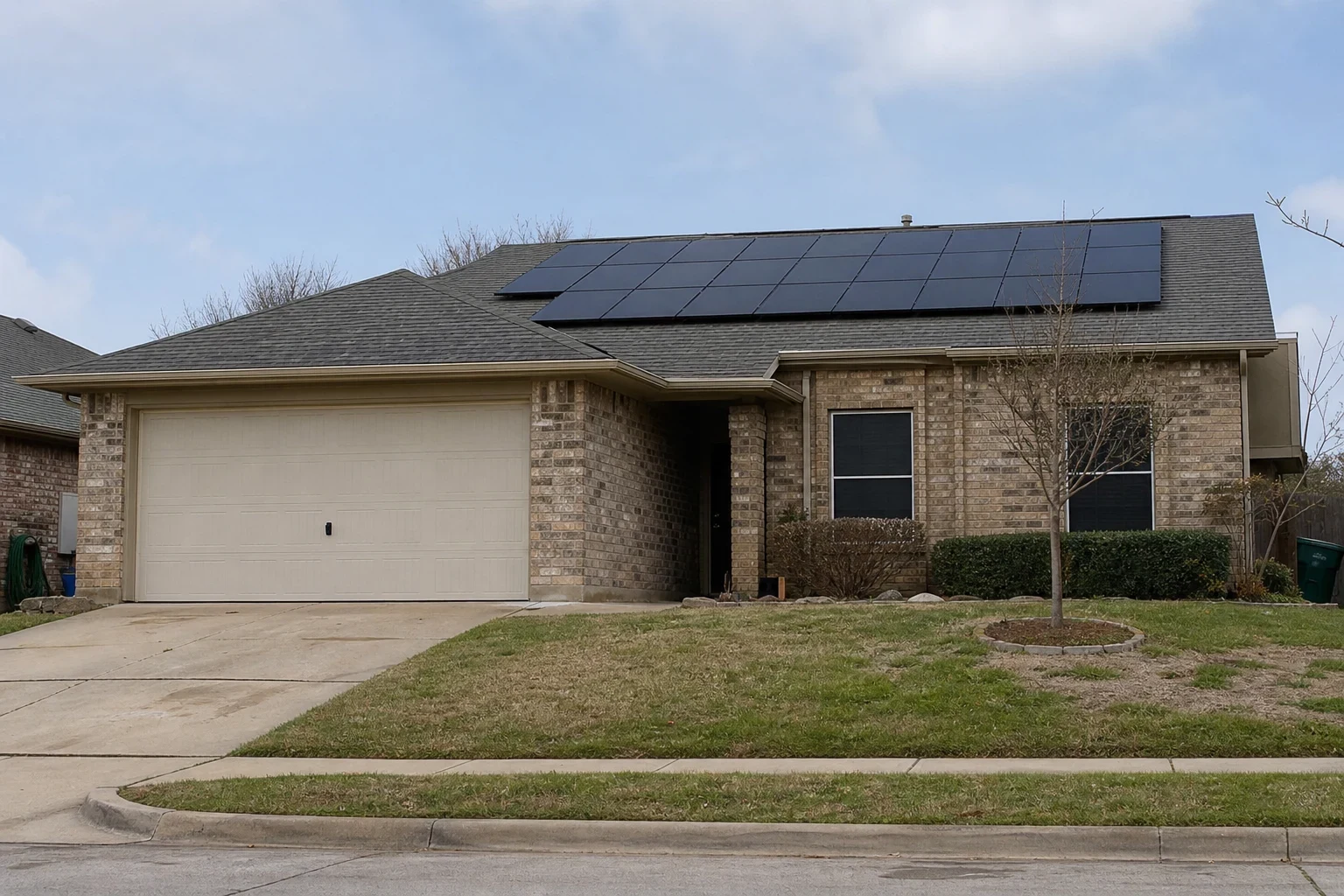
Let's find out what's wrong
Tell us what your system is doing and we will help you figure out the next step. Older systems with a long repair history are welcome.