ServicesRoof-Mounted Solar
Roof-Mounted Solar in Allen
Before a single panel goes up, we look at your attic, rafters and shingles. Every mount is bolted into solid wood and flashed so water stays out. If your roof carries old patches or an extra layer of shingles, we plan around them instead of covering them over.
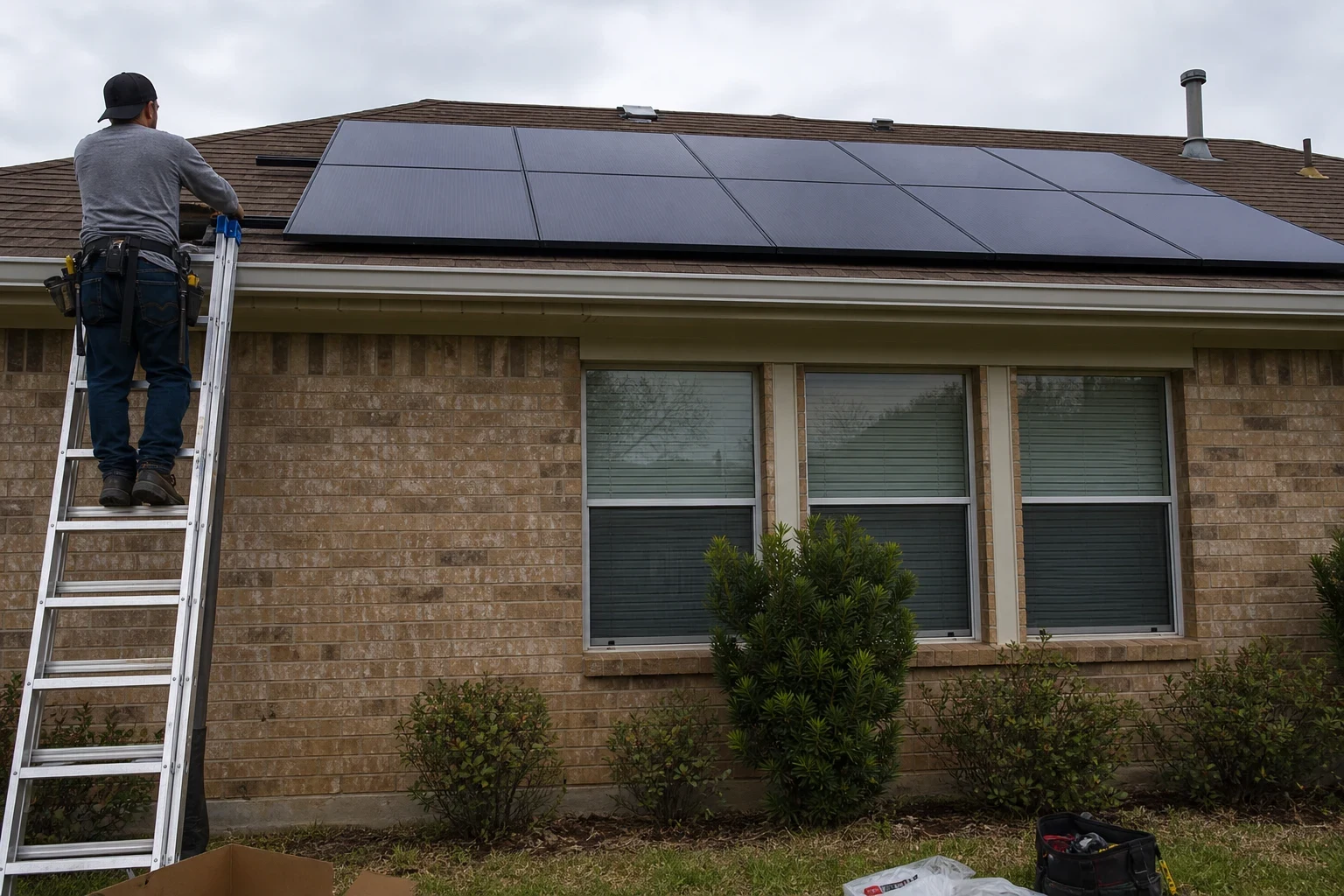
Panels on Your Roof, Attached to Solid Wood
Roof-mounted solar sets panels on the parts of your roof that get the most sun. They sit on aluminum rails, and the rails bolt through the shingles into the rafters below. It's the most common way to add solar to your home. It uses space you already have and leaves your yard open.
An older house usually has a history up top. You might have a second layer of shingles, a patched valley, rafters spaced wider than newer framing, or decking that soaked up a slow leak years ago. Each of those changes how the panels should be mounted. We look for them before we plan anything, so the system goes onto wood that can hold it and stays sealed through the next hard storm.
Want the bigger picture of system design, equipment and utility paperwork? Our Solar Panel Installation page covers that. This page is about getting panels onto your roof the right way.
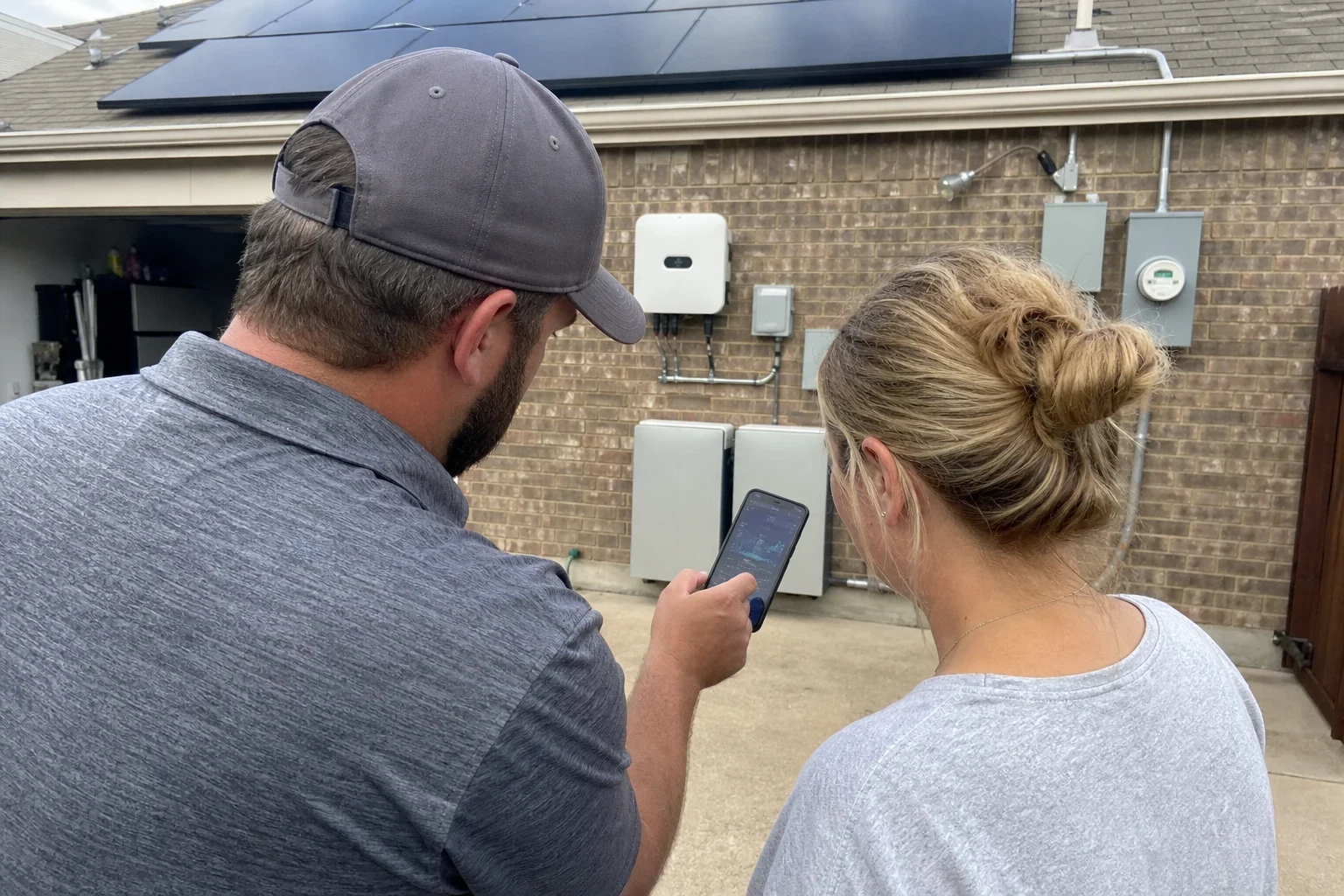
What's Part of Every Roof-Mounted Job
- 01
Attic and rafter check
We go up into the attic and measure rafter size and spacing. We look for sagging, water stains and boards doubled up in old repairs, and we set mounts only into sound wood.
- 02
Roof surface review
We count the shingle layers and check for granule loss, soft spots and lifted tabs. If the roof won't outlast the panels, we tell you before anything is installed.
- 03
Flashed, lag-bolted attachments
Each mount is screwed into a rafter, not just the decking. Metal flashing slides under the shingle course above and sealant fills the hole, and together those layers keep the roof dry for years.
- 04
Rail layout that works around the roof
We lay out rails around plumbing vents, old turbine vents and chimneys, and leave the fire-access clearance code requires at the ridge and edges.
- 05
Wiring from roof to panel
We plan a clean conduit run down to your electrical panel. Older homes often have a smaller main panel, so we check its capacity and explain your options plainly.
- 06
Permit and inspection taken care of
We pull the city permit and meet the inspector, so you don't have to deal with the paperwork.
Questions about Roof-Mounted Solar?
Call(972) 636-4883Signs Roof-Mounted Solar Is a Good Fit
A sunny south or west roof
Roof faces that point south or west and stay mostly unshaded through midday produce the most power. East faces can work too, just with a little less output.
Summer bills that keep climbing
If long North Texas summers have your air conditioning running hard, panels on the roof produce the most when that demand peaks.
You'd rather keep the yard open
A ground array takes up lawn and needs a trench to the house. Roof panels use space that's otherwise doing nothing.
A roof with years left in it
Panels last a long time. A roof in solid shape is the best starting point, and we'll give you an honest read on yours.
You expect to stay put
Lower electric bills add up month after month. The longer you live in your home, the bigger that payoff gets.
The Steps of a Roof-Mounted Project
- 1
A phone call comes first
We find out how old the house and roof are, whether there have been leaks and what shape the electrical panel is in. That shows us where to focus when we come out.
- 2
An in-person visit with photos
We go over the roof, climb into the attic and open up the electrical panel. Every part gets photographed for you, along with anything that needs fixing before panels go on.
- 3
Your layout and estimate in writing
You can see the spot for every panel and each piece of the job on its own line. Structural or electrical fixes are listed separately, so nothing pops up down the road.
- 4
The day of the install
Tarps go down on the ground and ladders stay clear of your garden beds. The crew puts in the mounts, rails, panels and wiring, then sweeps the yard and driveway with a magnet to catch loose screws.
- 5
Sign-off and turning it on
After the city inspector approves the work and the utility grants permission to operate, we power up the system. Then we show you the monitoring app so you can follow how much it makes.
What Moves the Price of Roof-Mounted Solar
No two roofs cost the same to mount on, and older roofs tend to have more variables. We price after seeing the roof and attic in person, and we explain each line so you know what you're paying for.
- System size
- More panels mean more mounts, rails and wiring. Size depends on your usage and how much sunny roof you have.
- Pitch, height and access
- A steep or two-story roof needs more safety setup and time than a low, walkable one.
- Roof material
- Composition shingles are the most direct to mount on. Tile and metal need different hardware and more labor.
- What the attic reveals
- Undersized rafters or old water damage may need added blocking or reinforcement before panels go up. We show you photos and explain why.
- Electrical panel capacity
- An older or smaller main panel may need work to accept solar safely. Adding Battery Storage at the same time also changes the electrical scope.
Questions About Panels on Your Roof
Do the holes for mounts make my roof leak?
Not if the mounts are installed properly. Every bolt lands in a rafter, and flashing slides beneath the shingles above so water flows over it. Sealant is only a second line of defense. Most leaks around solar trace back to mounts without flashing or bolts that missed the rafter.
Is an older roof strong enough to hold panels?
Usually yes, because the weight is shared across lots of mounts. Older framing, though, may be spaced farther apart or carry past damage. So we inspect the attic before designing anything, and if an area needs reinforcement, we point out exactly where and explain why.
My roof will need replacing before long. What then?
We give you an honest account of its condition. When shingles have only a few good years left, it generally makes more sense to deal with the roof before panels go up. Taking a system down and reinstalling it later is a cost you can skip.
Can solar panels stand up to hail?
Panels use tempered glass and are impact-tested for hail, so most storms don't hurt them. Extremely large hail can still cause damage, the same as with shingles. Check with your insurance agent about how your policy covers rooftop panels.
How many days will the crew be up on the roof?
A typical home install runs a day or two on site, based on the system size and roof type. Permits and utility approval add some waiting on either side. Your estimate includes a realistic schedule.
Does someone have to be home while you work?
Being there at the beginning and end of the day lets us review the work together. We'll need access to the attic and a clear way to your electrical panel. The rest happens outdoors, so your day can go on as usual.
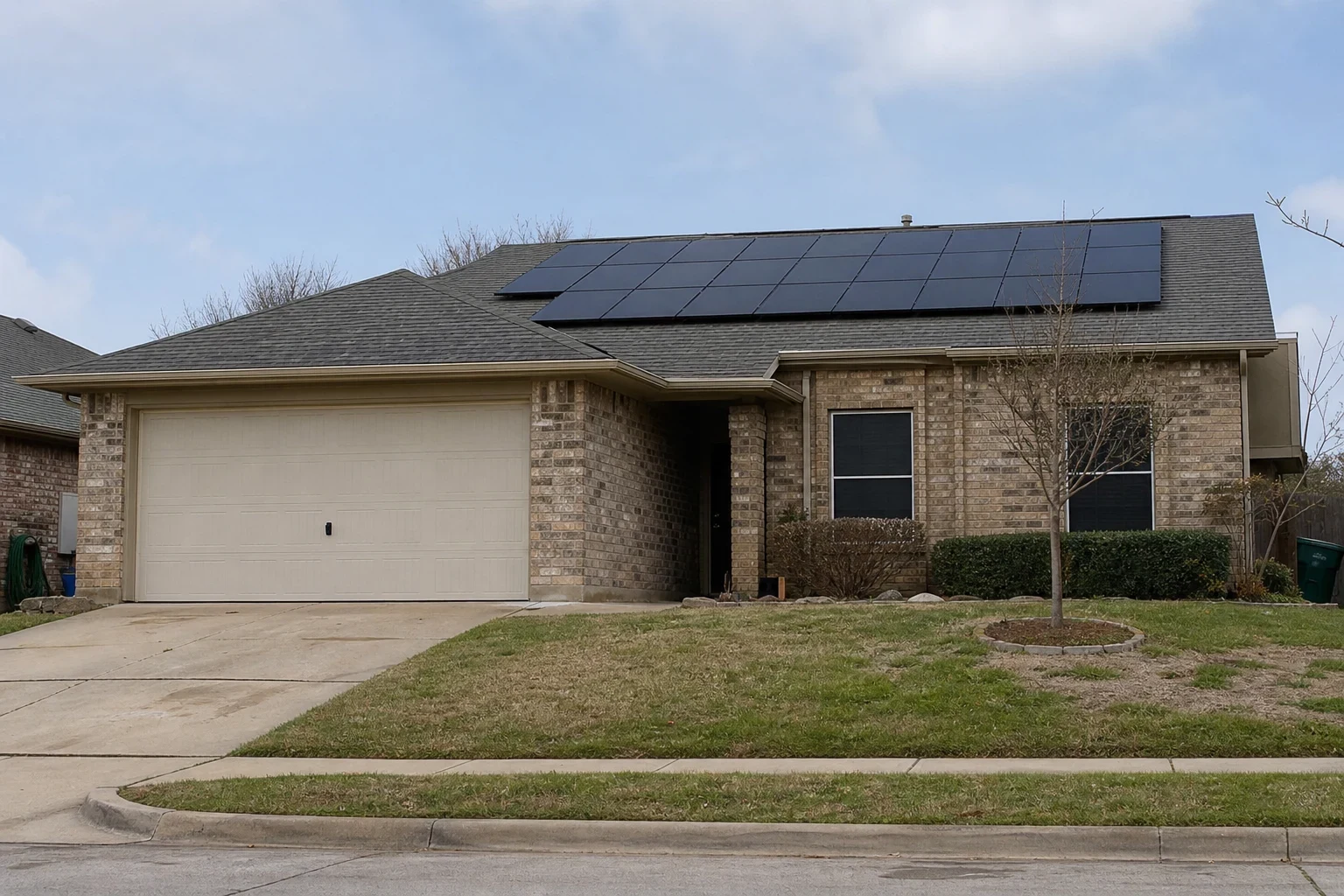
Find Out What Your Roof Can Carry
Tell us about your house, your roof and any repairs you know about. We'll explain what we'd check and what roof-mounted solar could look like on your home.